What Are Christmas Ornaments Made Of?
What Are Christmas Ornaments Made Of?
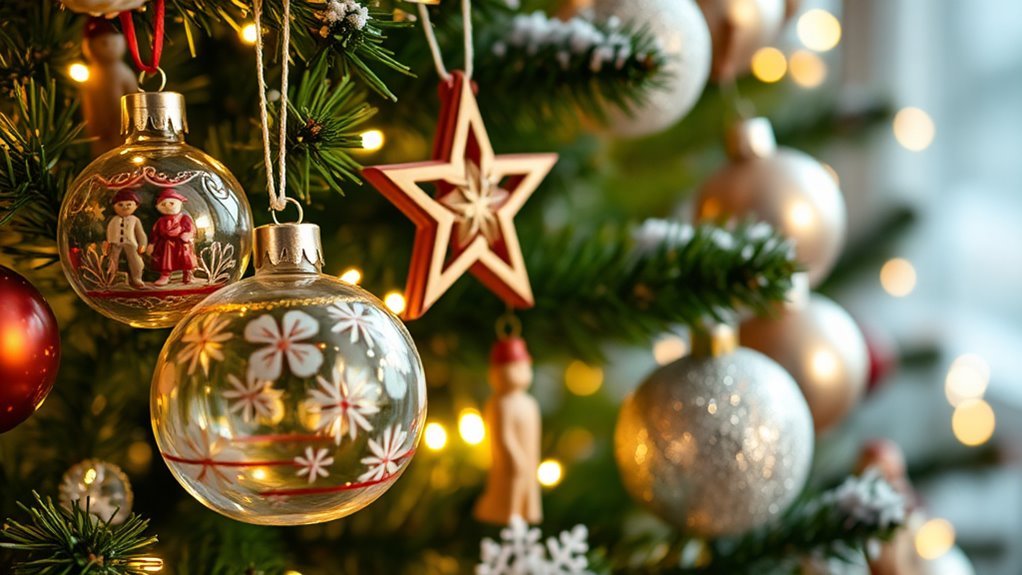
Christmas ornaments come in all sorts of materials, each adding its own charm to holiday décor.
From traditional glass and wood to metal and ceramic, there’s a wide range to choose from.
Modern options include plastics and eco-friendly alternatives like recycled glass, bamboo, and biodegradable paper.
You’ll discover everything from delicate handmade glass ornaments to sturdy, kid-friendly plastic designs.
Each material brings its own unique style, durability, and safety features, so you can find the perfect fit for your holiday celebrations.
As you explore, you’ll see how these various materials influence both craftsmanship and the overall spirit of the season.
So, whether you’re going for classic elegance or a playful vibe, there’s an ornament out there just for you!
Key Takeaways
- Christmas ornaments are traditionally made from blown glass, wood, metal, ceramic, and fabric materials.
- Early ornaments used natural elements like fruits, nuts, and paper before transitioning to glassblowing in 16th-century Germany.
- Modern ornaments include eco-friendly materials such as recycled glass, bamboo, biodegradable paper, and plant-based bioplastics.
- Handmade ornaments feature unique textures and craftsmanship, while mass-produced versions often use plastics and synthetic fibers for affordability.
- Durable ornaments like plastic, metal, and wood suit families with children or pets, while fragile glass and ceramic require careful handling.
Evolution of Christmas Ornament Materials and Styles
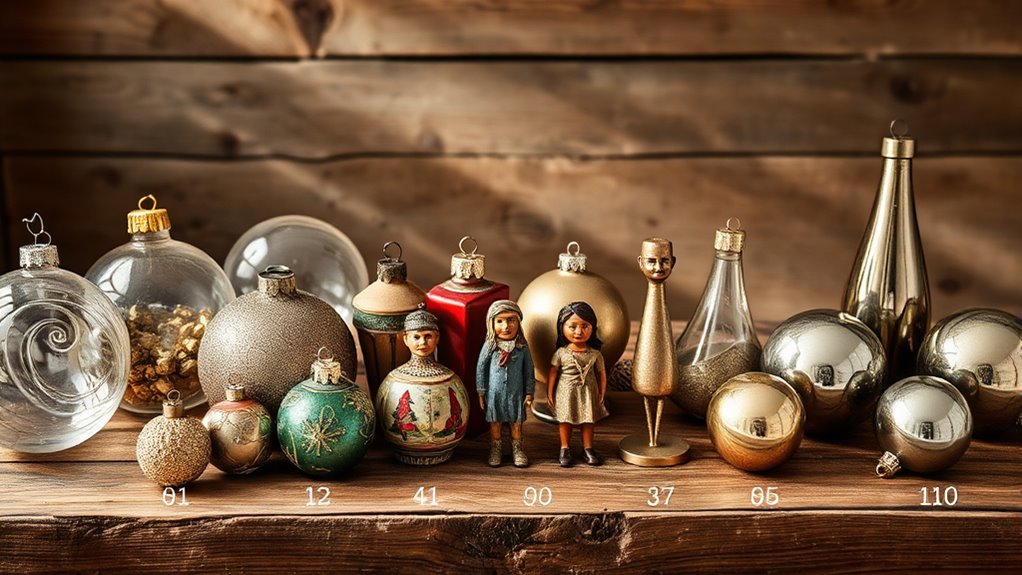
Although Christmas ornaments have been around for centuries, their materials and styles have evolved dramatically over time. You’ll notice that early ornaments were often handmade, using natural elements like fruits, nuts, and even paper. As technology advanced, glassblowing introduced delicate, shiny baubles that became popular in the 19th century. Later, you’d see metal, plastic, and fabric entering the scene, expanding design possibilities and durability. Today, you can find ornaments made from recycled materials, LED lights, and even smart tech, reflecting modern tastes and sustainability efforts. Whether you prefer vintage charm or contemporary flair, understanding this evolution helps you appreciate the diversity and creativity behind every ornament hanging on your tree. You’ll find that the styles and materials continue to reflect cultural trends and personal expression.
Traditional Christmas Ornament Materials
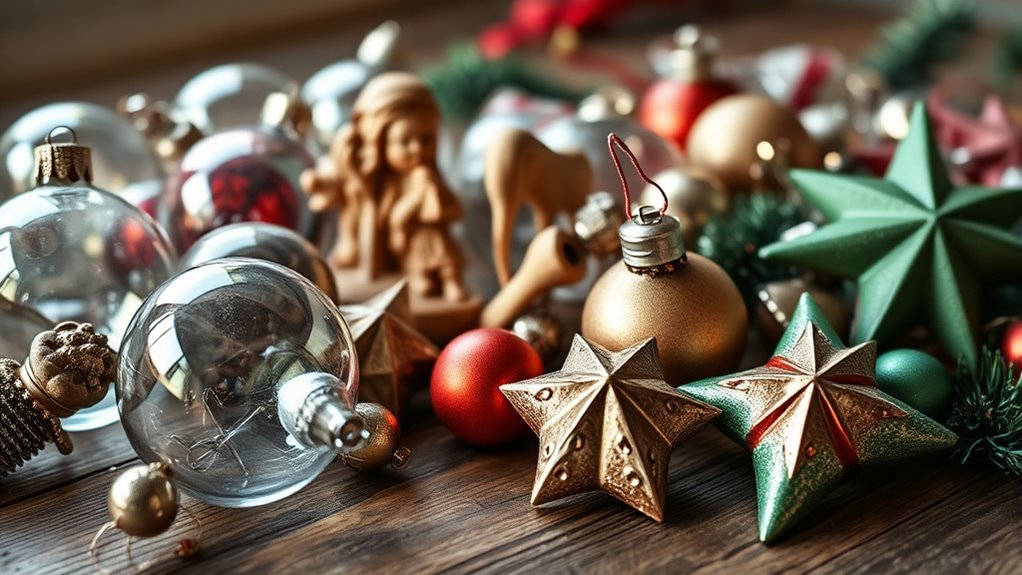
You’ll find that many traditional Christmas ornaments started as delicate glass creations, capturing light and adding sparkle to trees.
Wood and metal also played big roles, crafting timeless designs that last for generations.
Let’s explore how these materials shaped the classic holiday look you know and love.
Glass Ornament Origins
Glass ornaments have enchanted holiday decorators for centuries, enthralling you with their delicate shimmer and timeless charm. Originating in 16th-century Germany, these ornaments were handcrafted from molten glass, a technique passed down through generations. You’ll notice their fragile beauty comes from intricate blowing and hand-painting methods that give each piece a unique glow. By the late 1800s, glass ornaments reached America, quickly becoming a beloved tradition.
| Origin | Material | Era |
|---|---|---|
| Germany | Blown glass | 1500s |
| United States | Mass-produced | Late 1800s |
| Modern Day | Glass & paint | Present |
When you hang a glass ornament, you connect with centuries of artistry and holiday spirit.
Wood And Metal Designs
Beyond the delicate sparkle of glass, traditional Christmas ornaments also come in sturdy wood and shining metal. When you choose wooden ornaments, you’re picking a material that brings warmth and a rustic charm to your tree. These handcrafted pieces often feature carved details or painted designs, adding a personal touch to your decorations. Metal ornaments, on the other hand, offer durability and a sleek, reflective surface that catches the holiday lights beautifully. You’ll find metal crafted into shapes like stars, bells, or angels, often with intricate filigree or embossed patterns. Both wood and metal designs have stood the test of time, blending tradition with lasting appeal. Including them lets you create a festive look that’s both classic and timeless.
Modern and Eco-Friendly Ornament Materials
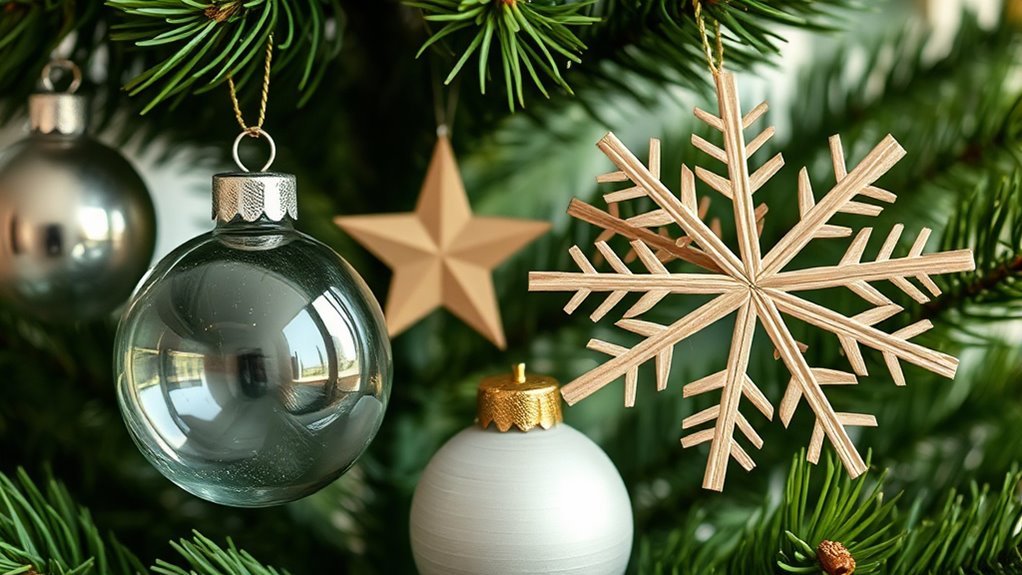
Embracing modern and eco-friendly ornament materials means choosing decorations that are both stylish and sustainable. You can find ornaments made from innovative, earth-conscious materials that reduce waste and environmental impact without sacrificing festive charm. When picking eco-friendly options, consider:
- Recycled glass, transforming waste into sparkling decorations
- Bamboo, a fast-growing and renewable resource
- Biodegradable paper, perfect for lightweight, colorful designs
- Natural fibers like jute or cotton, adding rustic warmth
- Plant-based bioplastics, offering durability with less pollution
These materials not only brighten your tree but also support a greener planet. By opting for modern, eco-friendly ornaments, you make your holiday celebrations more meaningful and environmentally responsible.
Material Differences in Handmade vs. Mass-Produced Ornaments
When you compare handmade and mass-produced ornaments, you’ll notice clear differences in crafting techniques and material quality.
Handmade pieces often use unique, higher-quality materials that can last longer.
Understanding these variations helps you choose ornaments that best fit your style and durability needs.
Crafting Techniques Comparison
Crafting Christmas ornaments involves distinct techniques that reflect the materials used in handmade versus mass-produced pieces. When you create ornaments by hand, you engage in detailed, hands-on work that highlights natural or artisanal materials. Mass-produced ornaments, on the other hand, rely on efficient, automated processes to meet high demand.
Here’s how the crafting techniques differ:
- Handmade ornaments often involve hand-painting, glazing, or sculpting.
- Mass production uses molding, injection molding, or stamping for uniformity.
- Artisans may employ natural fibers, glassblowing, or hand-carving.
- Factories utilize plastics, metal die-casting, or automated assembly lines.
- Handmade pieces tend to have unique textures and slight imperfections; mass-produced items are consistent and smooth.
Understanding these techniques helps you appreciate the craftsmanship behind each ornament type.
Material Quality Variations
Although both handmade and mass-produced Christmas ornaments serve to brighten your holiday décor, the materials used in each vary markedly in quality. When you choose handmade ornaments, you often get natural or higher-grade materials like hand-blown glass, real wood, or fine ceramics. These materials tend to feel more authentic and have unique textures or finishes. On the other hand, mass-produced ornaments typically rely on plastics, synthetic fibers, or cheaper metals to keep costs low and speed up production. While these materials make ornaments affordable and widely available, they usually lack the refined touch you find in handmade pieces. Knowing this, you can better decide whether you want ornaments with individual character or more uniform, budget-friendly options for your tree.
Durability And Longevity
Since you want your Christmas ornaments to last for many seasons, understanding how materials affect durability is key. Handmade ornaments often use high-quality, carefully selected materials, making them more resilient. Mass-produced ornaments may rely on cheaper plastics or glass, which can be fragile. You’ll notice that durability impacts how well ornaments withstand handling, storage, and temperature changes. Consider these material differences:
- Hand-blown glass ornaments can last decades with careful handling
- Wooden ornaments resist breakage but may wear over time
- Plastic ornaments are lightweight and durable but can fade
- Fabric ornaments offer flexibility but may attract dust and pests
- Ceramic ornaments are sturdy but prone to chipping
Choosing durable materials based on your needs helps guarantee your decorations stay beautiful year after year.
How Materials Affect Ornament Durability and Style
Materials often determine how long your Christmas ornaments will last and how they complement your holiday decor. For example, glass ornaments offer a classic, elegant look but can be fragile, so you’ll need to handle them carefully. Plastic ornaments, on the other hand, provide durability and resist breakage, making them ideal for homes with kids or pets. Wood ornaments bring a rustic charm and tend to be sturdy, while metal ornaments add a sleek, modern touch and withstand the test of time. Fabric ornaments give a cozy, handmade feel but may be more susceptible to wear over time. Understanding how materials influence both durability and style helps you appreciate your collection and maintain your decorations year after year.
Choosing the Right Materials for Christmas Ornaments
When you choose the right materials for your Christmas ornaments, you balance durability, style, and safety to fit your home’s unique needs. Think about where you’ll hang them and who will be around. If you have kids or pets, opt for shatterproof or soft materials. For a classic look, glass or ceramic can add elegance but handle with care. Take into account lightweight materials for fragile trees or branches.
Choosing ornament materials means balancing durability, style, and safety to suit your home and loved ones.
Here are five material options to weigh:
- Glass: Elegant, fragile, best for careful handling
- Plastic: Durable, kid-friendly, versatile designs
- Wood: Rustic, natural feel, sturdy
- Fabric: Soft, safe, customizable
- Metal: Modern, durable, reflective shine
Frequently Asked Questions
How Do You Store Christmas Ornaments Safely?
You store Christmas ornaments safely by wrapping them individually in tissue paper or bubble wrap.
This helps protect them from scratches and breakage.
Next, place them in sturdy boxes with dividers to keep them organized and prevent them from clinking together.
Finally, store the boxes in a cool, dry place.
This way, you can avoid damage and fading over time.
Can Christmas Ornaments Be Personalized or Custom-Made?
Yes, you can personalize or custom-make Christmas ornaments to fit your style.
You’ll find options with names, dates, or special messages.
This makes your decorations extra meaningful and unique for every holiday season.
What Are the Best Cleaning Methods for Delicate Ornaments?
Picture gently wiping a fragile glass ornament with a soft, damp cloth.
You’ll want to avoid harsh chemicals and soaking.
Instead, use mild soap and carefully air-dry to keep your delicate decorations sparkling and safe year after year.
Are There Any Allergy Concerns With Certain Ornament Materials?
Yes, you should watch out for allergens like latex or certain paints on ornaments.
If you have sensitivities, choose hypoallergenic materials like glass or wood.
Also, avoid anything with strong chemical coatings or dust buildup.
How Do Lighting Conditions Affect Ornament Appearance?
Lighting conditions dramatically change how your ornaments look.
Bright lights make colors pop and sparkle, while dim lighting softens their shine and details.
You’ll notice reflections and shadows shift, enhancing their festive charm differently each time.
It’s fascinating how a simple change in lighting can transform the whole vibe!
Next time you decorate, pay attention to how the ornaments change with the light.
You might discover new aspects you hadn’t noticed before!
Conclusion
Choosing Christmas ornaments is like picking stars for your own night sky—each material shines with its unique glow.
Whether you go for traditional glass, modern eco-friendly wood, or handcrafted clay, your choices shape the story your tree tells.
Just as stars vary but together create a beautiful constellation, mixing materials brings warmth and charm to your holiday.
So, trust your heart and pick ornaments that reflect your style and spirit this Christmas.
—
In the end, the beauty of your tree lies in the variety of materials you choose.
From shimmering glass to rustic wood and personalized clay, each ornament adds a special touch.
Let your selections tell your unique holiday story, creating a magical atmosphere for you and your loved ones.
This Christmas, embrace the charm of diverse ornaments and create a festive display that truly captures your spirit.