What Are Pressure Pots and How Do They Function?
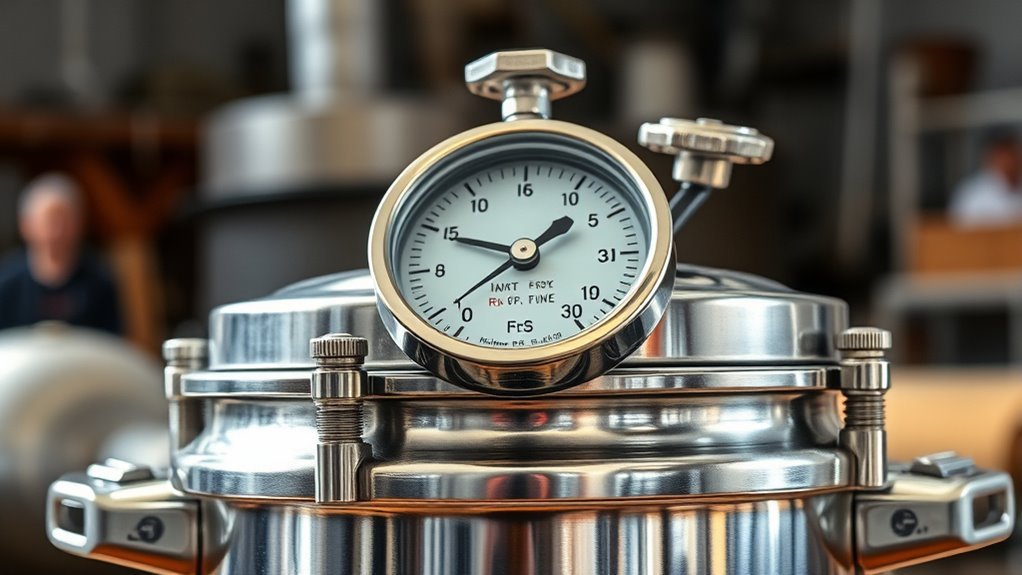
Pressure pots, also known as pressure cookers, are fantastic kitchen tools that allow you to cook food much faster. They achieve this by sealing steam inside, which raises the boiling point and increases pressure.
This process traps heat and moisture, effectively tenderizing tough ingredients while locking in nutrients.
One of the great things about pressure pots is the safety features they come equipped with, such as locking lids and pressure valves, which ensure you can cook safely.
To get started, you will need some liquid to create steam, and it’s essential to monitor the pressure for optimal results.
If you’re eager to master pressure cooking and discover its numerous benefits, there’s a wealth of information waiting for you to explore!
Key Takeaways
- Pressure pots are sealed cooking vessels that trap steam to increase internal pressure and temperature, reducing cooking time and preserving nutrients.
- They function by raising boiling point above 212°F (100°C), allowing water to reach about 250°F (121°C) at 15 psi for faster cooking.
- Safety features include locking lids, pressure release valves, and pressure-sensitive mechanisms to prevent accidents during use.
- Proper function requires adding liquid to generate steam, monitoring pressure levels, and maintaining gaskets and valves to avoid leaks.
- Made from materials like stainless steel or aluminum, pressure pots use heavy bottoms and integrated regulators for even heat distribution and pressure control.
History and Evolution of Pressure Pots
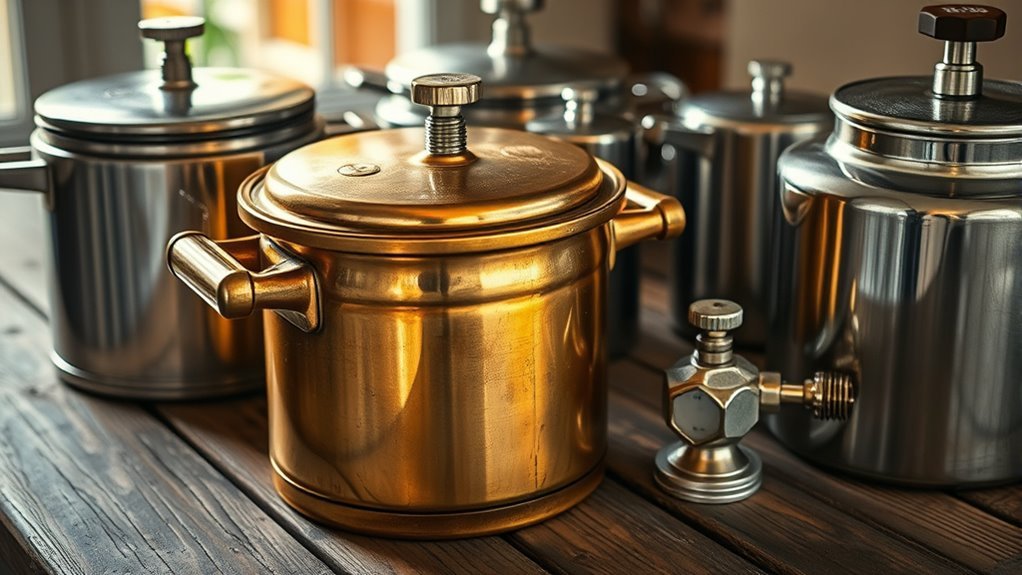
Although pressure cooking dates back to Denis Papin’s 1679 invention of the “steam digester,” it wasn’t until Georg Gutbrod produced the first commercial pressure cooker in 1864 that the method entered kitchens. Papin’s steam digester lacked safety mechanisms, making early pressure cookers prone to dangerous explosions. As you explore the cooking process, you’ll notice that designs improved greatly over time. In the 1930s, Alfred Vischer introduced pressure cookers that became popular at home, enhancing efficiency and reliability. However, post-World War II models often suffered from poorly constructed valves, raising safety concerns. Today, the modern pressure cooker includes multiple safety mechanisms, dramatically reducing risks and making it a trusted kitchen tool. When you use a modern pressure cooker, you benefit from centuries of innovation focused on safety and cooking speed.
The Science Behind Pressure Cooking

When you seal a pressure cooker, it traps steam inside, which raises the boiling point of water well above the usual 212°F (100°C). This increase in internal pressure allows water to reach about 250°F (121°C) at 15 psi, speeding up cooking times considerably. Pressure cooking works by applying the ideal gas law, where heating a fixed volume of steam boosts both temperature and pressure. At high altitudes, where atmospheric pressure is lower and water boils at reduced temperatures, pressure cookers help by maintaining higher internal pressure, compensating for longer cooking times. This science behind pressure cooking not only improves efficiency but also guarantees consistent results, making it invaluable in various environments and enhancing your cooking experience.
Safety Features and Pressure Regulation
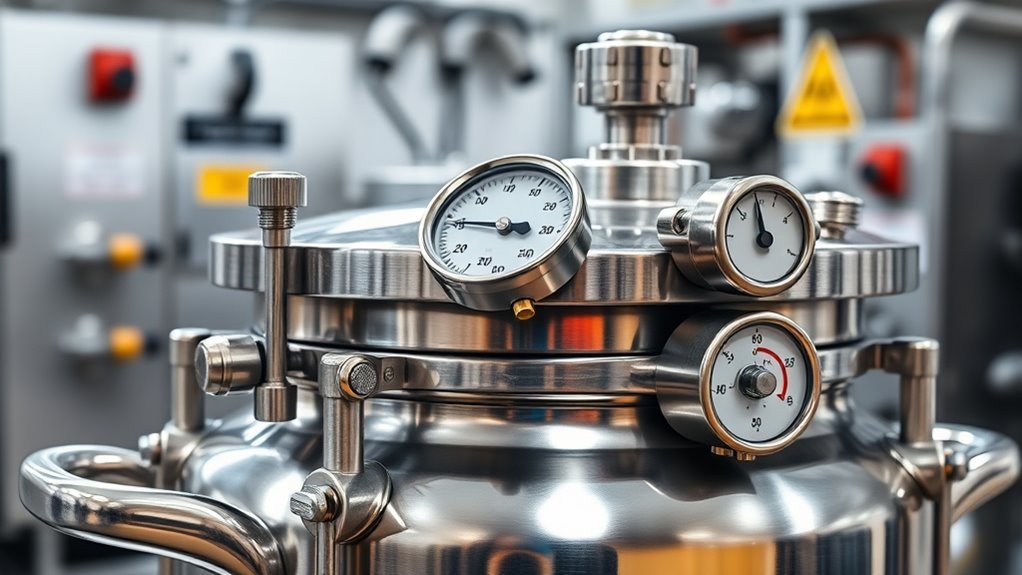
You rely on pressure control mechanisms to keep cooking safe and efficient, so understanding how they work is key.
Steam release safety features prevent sudden bursts that could cause injury.
Plus, locking systems stop you from opening the lid while the pot’s still pressurized, protecting you from accidents.
Pressure Control Mechanisms
Since pressure cookers operate under high pressure, they rely on precise control mechanisms to keep you safe and guarantee consistent cooking results. These safety mechanisms include pressure-sensitive locking systems that prevent the lid from opening under pressure and valves that regulate internal pressure by releasing excess steam. Electric pressure cookers use digital controls to maintain ideal pressure settings, typically around 12 psi, while stovetop models reach about 15 psi. This pressure control creates a temperature plateau, ensuring safe cooking temperatures. Here’s a quick overview:
| Mechanism | Function | Typical Pressure Setting |
|---|---|---|
| Pressure Lock | Prevents lid opening | Engaged under pressure |
| Pressure Valve | Releases excess steam | Maintains set pressure |
| Digital Controls | Regulates pressure & temp | ~12 psi (electric models) |
| Altitude Adjustment | Compensates for altitude | Varies by elevation |
Steam Release Safety
Although pressure cookers generate high steam pressure for faster cooking, their safety features actively prevent accidents by controlling steam release. You’ll find that safety locks keep the lid securely closed until the pressure drops, stopping you from opening it prematurely. Dual pressure regulators automatically vent excess steam, maintaining safe operating pressure and preventing dangerous buildup. This careful steam release guarantees the cooking temperature can safely reach about 250°F, speeding up your cooking. To keep everything working properly, regularly check the gasket for wear or damage since a faulty gasket can cause steam leaks and unsafe conditions. By understanding these features, you can confidently use your pressure cooker, knowing it actively manages steam release for your safety.
Locking Systems
Managing steam release is only part of how pressure cookers keep you safe during cooking. Their locking systems prevent the lid from opening when the pot is pressurized, ensuring you’re protected. Pressure regulation happens through built-in valves that let steam escapes to maintain safe levels. Some models offer dual pressure settings for versatile cooking, while electric versions use automatic pressure control to adjust heat and maintain steady pressure. These safety features work together to create a sealed pressure cooker that’s both efficient and secure.
| Feature | Purpose | Your Benefit |
|---|---|---|
| Locking systems | Prevent lid opening under pressure | Avoid burns and accidents |
| Pressure regulation | Release excess steam | Safe, consistent cooking |
| Dual pressure settings | Adapt cooking to your needs | Flexibility in recipes |
| Automatic control | Adjust heat automatically | Ease and safety |
Practical Tips for Using Pressure Pots
When you use a pressure pot, make certain you add at least one cup of liquid to create the steam needed for proper pressure and to prevent food from burning. Keep an eye on the pressure level to maintain safe and effective cooking. Adjust your cooking time depending on whether your ingredients are fresh or frozen—frozen foods usually need about 25% longer. Learn the difference between quick release and natural release: quick release stops cooking immediately, while natural release lets the pot cool gradually, which can improve flavors in meats and stews. Never open your pressure pot while it’s still pressurized; wait until the pressure indicator shows it’s safe. Also, regularly check the gasket for wear to avoid leaks and guarantee safe operation.
Cooking Applications and Benefits
You can use pressure pots to cook a wide range of meals, from tender meats to hearty grains, all while preserving nutrients and flavors.
Because the sealed environment traps steam, your dishes come out richer and more nutritious.
This versatility makes pressure pots a smart choice for efficient, flavorful cooking.
Versatile Food Preparation
Although pressure pots have long been valued for their speed, they also offer remarkable versatility in the kitchen. With pressure cookers, you can greatly reduce cooking time while preparing a wide range of dishes—from tenderizing tough cuts of meat to cooking beans and legumes without soaking. Their sealed environment minimizes evaporation, boosting flavor retention in soups, stews, and stocks. You’ll also find cooking grains like rice becomes much faster, often ready in just minutes, perfect for quick meal preparation. Beyond speed, these pots help reduce nutrient loss compared to conventional boiling, preserving more vitamins and minerals in your food. By using a pressure pot, you’ll enjoy efficient, flavorful, and nutrient-rich meals without spending hours in the kitchen.
Nutrient and Flavor Retention
Because pressure pots cook food in a sealed, high-pressure environment, they lock in flavors and nutrients more effectively than traditional methods. Using a pressure cooker minimizes nutrient loss by reducing cooking time and preventing evaporation, which enhances flavor retention. The high pressure guarantees even cooking, allowing flavors to distribute uniformly and intensify. This cooking process is especially beneficial for grains, beans, and tough meats, preserving moisture and nutritional value.
| Food Type | Cooking Time Reduced | Nutrient Retention (%) |
|---|---|---|
| Beans | 70% | 85% |
| Tough Meats | 60% | 80% |
| Vegetables | 50% | 90% |
| Grains | 65% | 88% |
You’ll enjoy richer, healthier meals thanks to your pressure pot.
Design, Materials, and Maintenance
The design and materials of a pressure pot directly impact its safety and efficiency during cooking. Most pressure pots are made from aluminum or stainless steel, with stainless steel preferred for durability, non-reactivity, and superior heat distribution thanks to heavy, three-layer bottoms. You’ll notice modern pressure pots often include integrated pressure regulators and indicators, helping you maintain consistent pressure and temperature. Gaskets play an essential role by forming a gas-tight seal; you should regularly inspect and replace them to prevent steam leaks. Additionally, the spring-loaded valve guarantees safe release of excess pressure. Proper maintenance involves cleaning after each use and routinely checking valves and seals. By keeping up with these steps, you’ll make sure your pressure pot operates safely and efficiently every time.
Frequently Asked Questions
Do Instant Pots Naturally Release?
Yes, Instant Pots do naturally release pressure.
You just leave the lid closed after cooking, and steam escapes gradually.
This method helps keep your food tender and flavorful, especially for larger cuts and stews.
What Foods Should Not Be Cooked in a Pressure Cooker?
Don’t toss whole eggs or sticky rice into your pressure cooker—they can burst or clog the valve.
Avoid creamy dairy, sugary treats, and delicate greens; they either scorch, caramelize, or turn to mush under intense pressure.
It’s best to keep these items out of your pressure cooking adventures to prevent any kitchen disasters!
Why Did People Stop Using Pressure Cookers?
You stopped using pressure cookers because older models lacked safety features, causing explosion fears.
Plus, microwaves and slow cookers offered easier, safer alternatives.
Injuries made you cautious, even though modern pressure cookers improved safety.
Why Are People Selling Their Instapots?
You’re selling your Instant Pot because it feels complicated, doesn’t fit your routine, or you prefer traditional cooking.
You might worry about safety or prefer newer gadgets like air fryers that better match your cooking style.
Conclusion
Now that you know how pressure pots work, you’ll appreciate their efficiency even more. Did you know they can cook food up to 70% faster than conventional methods?
By trapping steam to increase pressure and temperature, they save you time and energy while locking in flavors and nutrients.
Just remember to follow safety tips and maintain your pot well. This way, you can enjoy delicious, perfectly cooked meals with ease every time.
In conclusion, pressure pots are not only a time-saver but also a valuable tool in preserving the nutrients and flavors of your food.
By understanding their function and adhering to safe practices, you can maximize their benefits.
So, embrace the convenience of pressure cooking and transform your meal preparation into a quicker, healthier experience!