What Do Anklets Mean in Various Cultures?
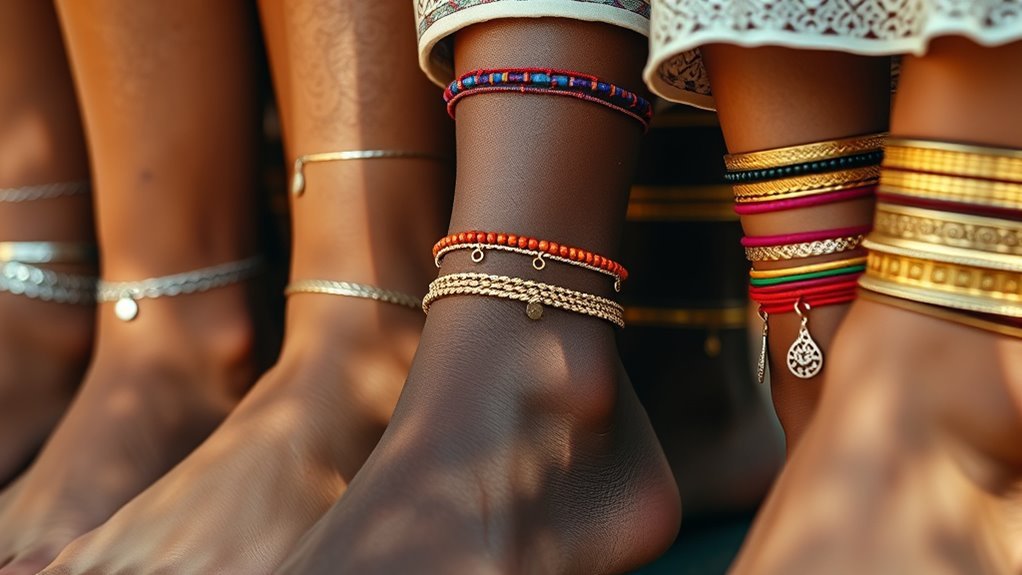
Anklets carry diverse meanings across various cultures, reflecting the rich tapestry of human history and identity.
In South Asia, for instance, anklets often signify marital status or serve as a talisman to ward off evil spirits.
Moving to ancient Egypt and Mesopotamia, anklets were a display of wealth and social rank, often adorned with precious materials.
In African and Middle Eastern cultures, these ornaments are commonly associated with protection, fertility, and tribal identity.
Meanwhile, in Western cultures, anklets have taken on a more personal significance, representing individual style and a sense of freedom.
Each culture adds its own layers of meaning, blending history with identity and symbolism.
This fascinating evolution invites further exploration into the stories behind these adornments.
Key Takeaways
- Anklets symbolize marital status and protection from evil spirits in South Asian traditions like India.
- In ancient Egypt and Mesopotamia, anklets indicated social status, wealth, and spiritual protection.
- African and Middle Eastern anklets represent tribal identity, fertility, and offer protection through motifs like the evil eye.
- Historically, anklets marked social distinctions, with simpler versions worn by slaves and ornate ones by elites.
- In Western culture, anklets express femininity, individuality, and modern fashion trends rather than traditional symbolism.
Historical Origins of Anklets
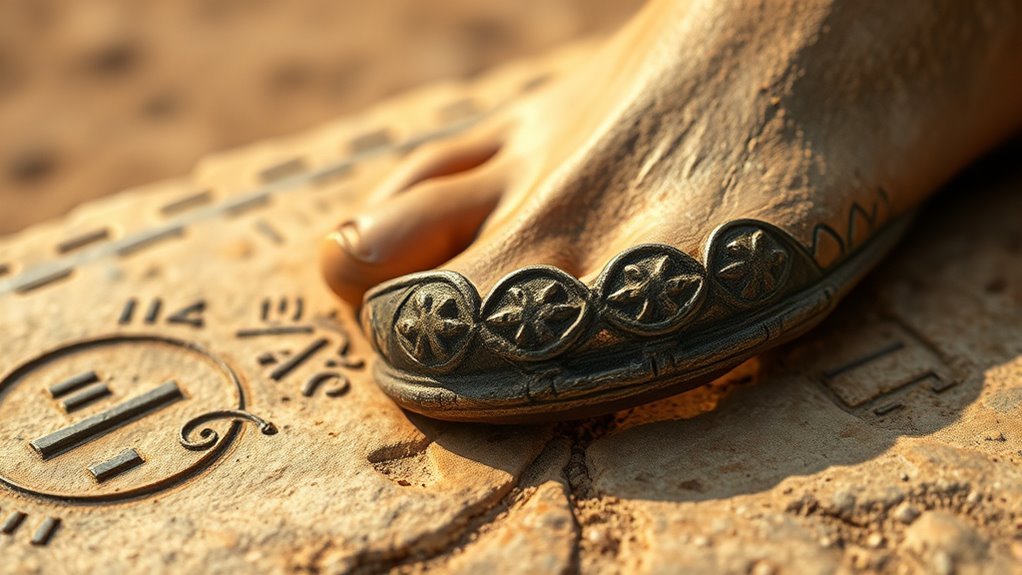
Anklets have a rich history dating back over 8,000 years, with the earliest examples discovered in ancient Mesopotamia around 5000 BCE. Sumerian women wore anklets as symbols of wealth and status, setting a precedent for their cultural significance. In ancient Egypt, women across all classes adorned anklets, with materials like gold marking the elite and beads or silver used by others. These pieces acted as both decorative bracelets and status markers. Over time, anklets evolved beyond their historical origins, influencing Western culture and modern fashion. While payal anklets hold deep traditional meaning in South Asia, anklets worldwide now blend historical roots with contemporary style, showing how this ancient accessory continues to captivate and express identity.
Anklets in South Asian Traditions
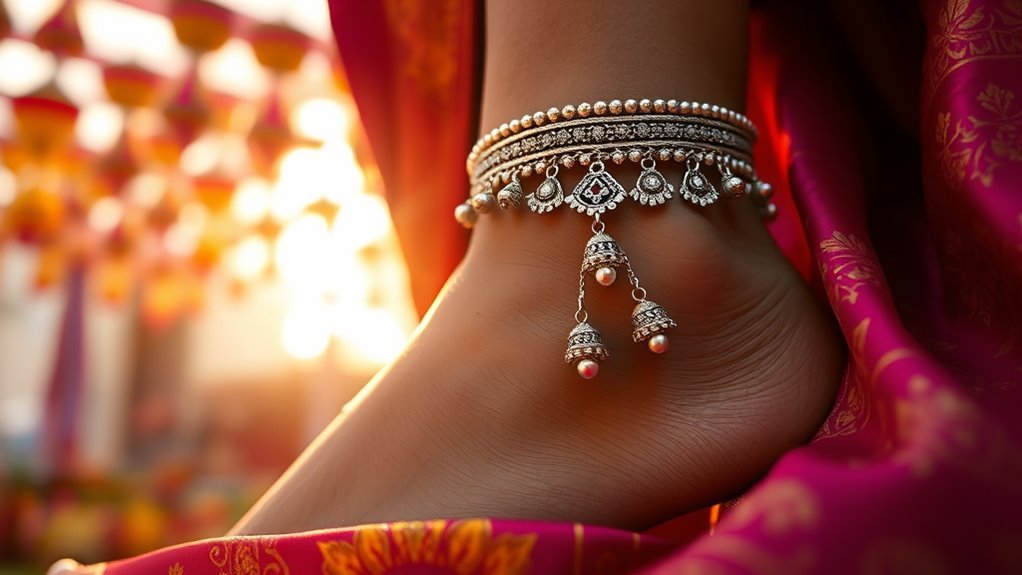
When you explore South Asian traditions, you’ll find that payal—delicate anklets worn by married women—carry powerful meanings beyond decoration. These anklets symbolize marital status and ward off evil spirits, reflecting their deep cultural significance. From the intricate silver anklets of Rajasthan that express tribal identity to Odisha’s traditional anklets like Paunji Nupur, regional diversity shines through. The ancient epic Silappatikaram even centers on a ruby anklet, highlighting anklets’ storytelling role.
| Region | Anklet Type | Significance |
|---|---|---|
| Rajasthan | Heavy silver anklets | Tribal identity |
| Odisha | Paunji Nupur | Artistic style |
| Pan-India | Payal | Marital status, protection |
| Literature | Ruby anklet | Cultural heritage |
These traditional anklets reveal South Asian cultures’ rich heritage.
Symbolism of Anklets in Ancient Egypt and Mesopotamia
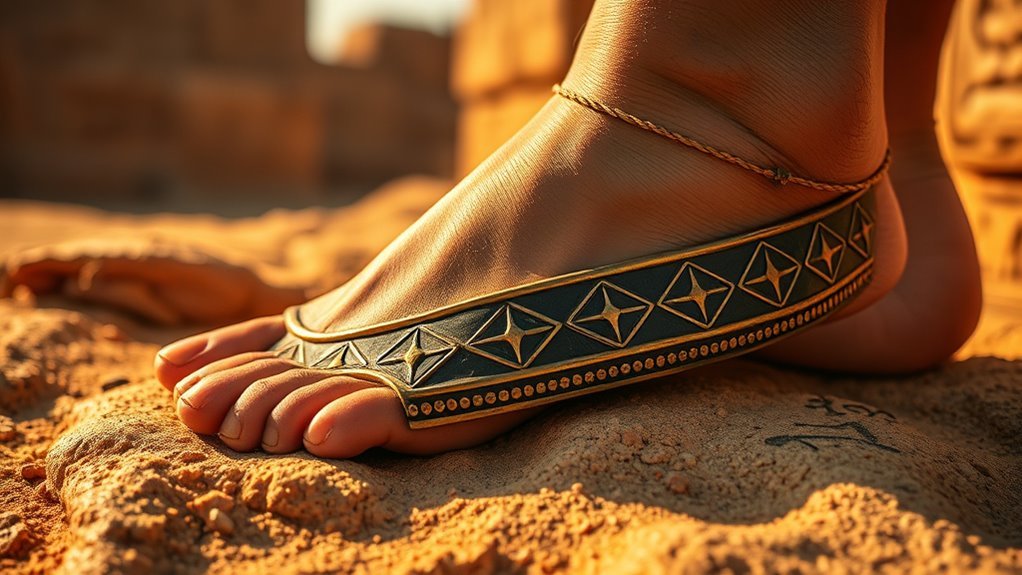
Although ancient Egypt and Mesopotamia differed in many ways, both cultures used anklets to signify social status and wealth. In ancient Egypt, women wore anklets called Khalakheel, ranging from simple beads to precious metals like gold and silver, clearly marking social status. Similarly, in Mesopotamia, anklets served as decorative jewelry and status symbols, with Sumerian brides donning gemstone and precious metal anklets during weddings to display affluence. Slaves in both societies wore simpler anklets, highlighting social distinctions. Beyond their decorative role, anklets were believed to hold spiritual powers, warding off evil spirits and bringing good fortune. So, when you think of anklets in these ancient cultures, you’re looking at items that blend beauty, social meaning, and protective symbolism.
Anklets in African and Middle Eastern Cultures
Jewelry in African and Middle Eastern cultures often carries deep meanings beyond mere decoration, and anklets are no exception. In these regions, anklets symbolize tribal identity, fertility, and social status, reflecting rich cultural heritage. You’ll find that in North African countries, women wear intricately designed anklets during traditional ceremonies, enhancing both beauty and meaning. In the Middle East, silver anklets often feature the evil eye motif, offering protection while signaling marital status or clan affiliation.
- In African communities, anklets mark fertility and social status with beads or charms.
- Bedouin women wear anklets indicating regional ties and protection from evil forces.
- During traditional ceremonies, anklets contribute to celebration and express cultural pride.
You’ll see anklets here are much more than adornments—they’re powerful cultural symbols.
The Role of Anklets in Western Fashion and Society
You’ll notice that anklets in Western fashion often highlight femininity and personal style, especially during summer or beach outings.
They’ve evolved from symbols of freedom and bohemian vibes in the 1970s to trendy accessories you can layer for a unique look today.
Let’s explore how these pieces continue to shape modern style and express individuality.
Anklets as Feminine Symbols
When you wear an anklet in Western fashion, it often signals femininity, freedom, and playful self-expression, especially during the summer. Wearing an anklet around your ankle highlights your personal style and adds a delicate touch to any outfit. Silver, particularly sterling silver anklets, remains a popular choice among women for its versatility and understated elegance. In Western fashion, anklets are less about tradition and more about making a fashion statement or even invoking good luck. You can layer multiple anklets to amplify your look or keep it simple with a single, sleek chain.
- Anklets symbolize individuality and youthful freedom
- Sterling silver anklets complement various fashion styles
- Wearing anklets enhances feminine charm and personal expression
Modern Western Style Trends
Although anklets have long been associated with femininity and personal expression, their role in modern Western fashion has expanded to become a versatile style statement. Today, anklets are a staple in summer and beach culture, symbolizing freedom and relaxed style. You’ll find them crafted from materials like sterling silver and gold, fitting a wide range of fashion preferences—from minimalist designs to layered jewelry looks. The 1970s revival influenced their popularity, linking anklets to countercultural trends that welcomed all ages. In Western society, there’s no strict cultural rule about which ankle you wear them on; it’s all about your personal style. These modern anklets transcend seasonal and cultural boundaries, making them a global fashion accessory you can pair effortlessly with sandals or wear barefoot.
Spiritual and Color Significance of Anklets
Anklets carry deep spiritual meanings and color symbolism that vary across cultures, enriching their significance beyond mere adornment. When you wear anklets, you tap into their spiritual significance and cultural contexts, connecting with energies linked to protection and grounding. For example, gold anklets symbolize prosperity and confidence, while silver anklets evoke intuition and calmness. Colors also carry meaning:
- Red anklets represent love, passion, and protection, especially in South Asian traditions.
- Black anklets provide grounding energy and shield against negativity.
- Blue anklets guard against the evil eye, promoting tranquility and loyalty.
Additionally, anklets align with the Root Chakra, which fosters stability and security. Wearing them can activate this chakra, enhancing your sense of groundedness and protection.
Frequently Asked Questions
What Does Wearing Anklet on the Right Ankle Mean?
Wearing an anklet on your right ankle often means you’re single or available.
But it can also just be a fashion choice. You might wear it simply for style, self-expression, or personal comfort without cultural implications.
What Does the Bible Say About Wearing an Anklet?
Think of anklets as mirrors reflecting your heart.
The Bible doesn’t forbid wearing them but warns you not to let such adornments overshadow your inner beauty and humility.
Remember to value character over mere decoration.
What Cultures Wear Anklets?
You’ll find anklets worn in cultures like ancient Egypt, India, Greece, Africa, and the Middle East.
Each culture uses them differently, from symbols of status and beauty to tribal identity and protective charms.
Why Do Girls Wear Anklets in One Leg?
You wear anklets on one leg to express personal style or follow cultural traditions, like showing marital status or availability.
Sometimes, it’s just about matching your outfit or honoring heritage with a meaningful accessory.
Conclusion
Wearing anklets is like stepping into a story woven through time and culture, each charm jingling with meaning.
Whether you’re walking the vibrant streets of South Asia, echoing ancient Egyptian elegance, or embracing modern Western flair, anklets connect you to centuries of tradition and spirit.
So, slip one on and let your ankles dance to the rhythm of history, culture, and personal expression.
Your own little celebration wrapped in shimmering circles.
In conclusion, anklets carry rich cultural significance across various traditions, from their historical uses in ancient civilizations to their modern-day appeal.
By wearing an anklet, you honor a legacy while adding a unique touch to your style.
So go ahead, adorn your ankles and celebrate the stories they tell—each piece a beautiful blend of history, culture, and personal expression.