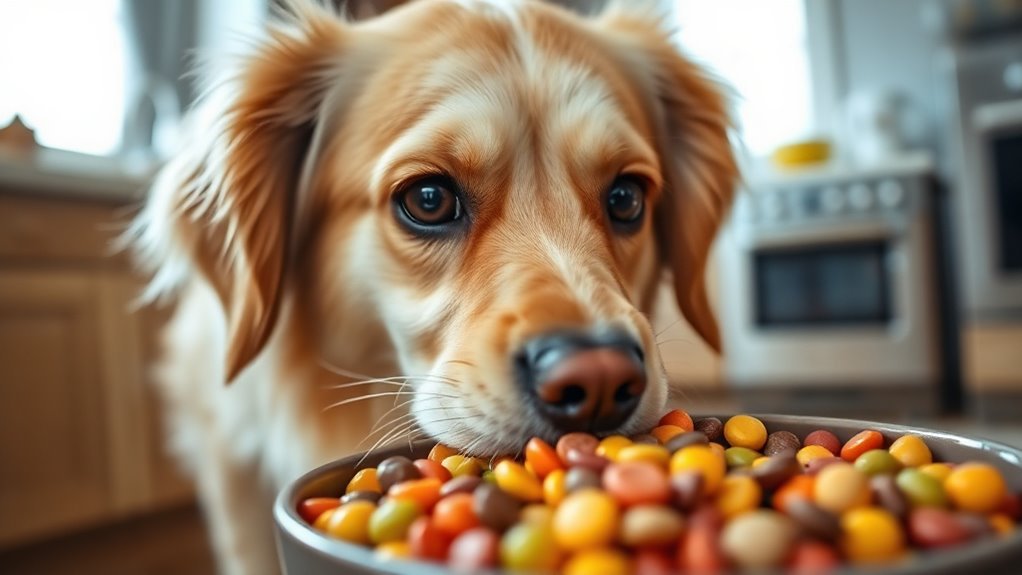
Can Dogs Have Cat Food?
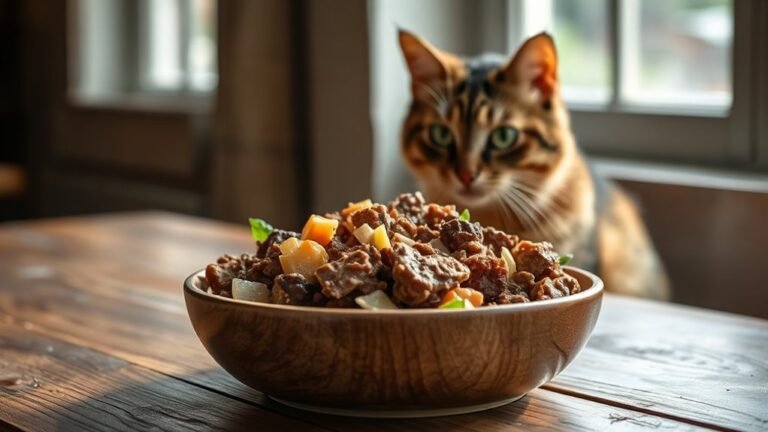
While it might be tempting to share your cat’s food with your dog, it’s not a good idea. Cat food is specifically formulated to meet the nutritional needs of cats, which include higher levels of protein and fat.
Feeding your dog cat food regularly can upset their digestion and potentially lead to obesity or other health issues in the long run.
In emergencies, a small amount might be okay, but cat food should never replace a balanced diet for dogs.
To keep your furry friend healthy and happy, it’s crucial to understand when and why to avoid cat food. Plus, knowing the best alternatives can make all the difference!
Key Takeaways
- Dogs can eat small amounts of cat food occasionally but it should not replace their balanced, dog-specific diet.
- Cat food is higher in protein, fat, and calories, which can cause digestive upset or obesity in dogs if fed regularly.
- Regular consumption of cat food may lead to nutritional imbalances and strain a dog’s kidneys and pancreas over time.
- Dogs with health issues like pancreatitis, kidney disease, or allergies are at higher risk from eating cat food.
- Always consult a veterinarian for proper diet advice and avoid feeding dog leftovers intended for cats.
What’s the Difference Between Cat Food and Dog Food?
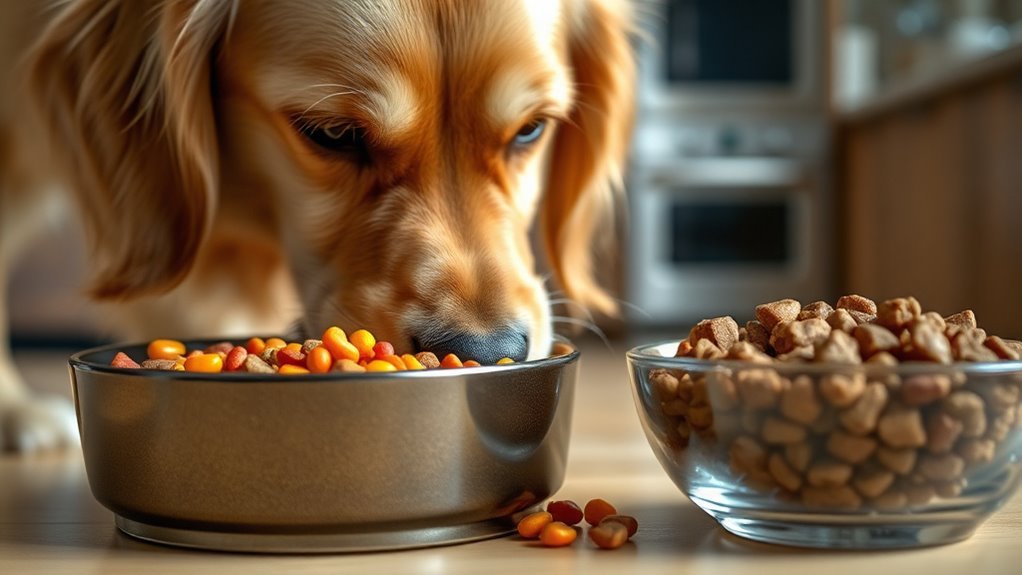
Although both cat food and dog food serve the same basic purpose, they’re formulated differently to meet the unique nutritional needs of each species. You’ll notice cat food contains higher protein levels because cats are obligate carnivores—they rely heavily on meat. Dog food, on the other hand, balances protein with carbohydrates and fats since dogs are omnivores. Cat food also includes nutrients like taurine and arachidonic acid, essential for cats but not required in dog diets. Texture and calorie density vary too; cat food tends to be richer and fattier. When you pick food for your pet, these differences guarantee they get the right nutrients to stay healthy. Understanding these distinctions helps you make informed choices for your furry friends’ diets.
Is It Safe for Dogs to Eat Cat Food?

You might wonder if it’s safe for your dog to eat cat food occasionally. The nutritional differences between the two can lead to health risks if cat food becomes a regular part of your dog’s diet.
Let’s look at how eating cat food now and then could affect your dog’s well-being.
While a small bite here and there might not be harmful, it’s important to keep an eye on how it affects your pup.
Cat food is often richer in proteins and fats, which can upset your dog’s stomach.
Nutritional Differences Explained
Since cat food contains higher levels of protein and fat tailored to feline dietary needs, feeding it to your dog occasionally won’t cause harm, but regular consumption can lead to nutritional imbalances. Cat food is formulated to meet cats’ unique requirements, such as higher taurine and vitamin A levels, which dogs don’t need in those amounts. Dogs require a more balanced mix of protein, fat, carbohydrates, vitamins, and minerals suited to their omnivorous diet. Because cat food is richer and denser, your dog might consume too many calories or miss out on nutrients essential for their health. While the occasional taste won’t hurt, relying on cat food regularly can disrupt your dog’s nutritional balance, so it’s best to stick to dog-specific food for their daily meals.
Potential Health Risks
Understanding the nutritional differences between cat and dog food helps explain why feeding your dog cat food regularly can cause health problems. Cat food contains higher protein and fat levels designed for cats’ unique dietary needs, which can overwhelm your dog’s system. Over time, this can lead to obesity, pancreatitis, or digestive upset. Cat food lacks certain nutrients essential to dogs, like adequate fiber, which can disrupt their digestive health. Additionally, some ingredients in cat food might cause allergic reactions or sensitivities in dogs. Feeding your dog cat food consistently can also strain their kidneys due to excess protein. So, while a small amount occasionally might not harm, making cat food a regular part of your dog’s diet poses clear health risks you should avoid.
Occasional Consumption Effects
Occasionally feeding your dog cat food usually won’t cause serious harm, but it’s important to keep it to small amounts and infrequent treats. Cat food is richer in protein and fat, which might upset your dog’s stomach if eaten too often. You might notice mild digestive issues like diarrhea or vomiting after a rare indulgence. However, a small taste now and then won’t disrupt your dog’s overall health. Still, don’t let it become a habit, as regular consumption can lead to nutritional imbalances. If your dog shows any unusual symptoms after eating cat food, monitor them closely and consult your vet. In short, occasional cat food treats are generally safe but should never replace your dog’s balanced diet.
What Health Risks Can Cat Food Pose to Dogs?
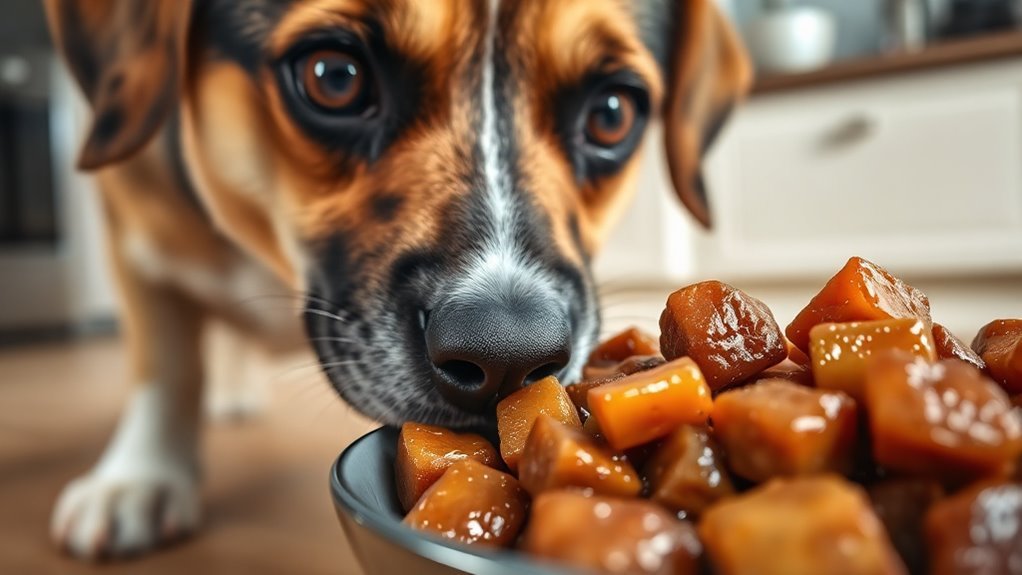
Although cat food might seem harmless, feeding it to your dog can lead to serious health issues. Cat food contains higher protein and fat levels designed for cats, which can strain your dog’s kidneys and pancreas over time. This imbalance may cause digestive upset, including vomiting and diarrhea. Additionally, some cat foods are rich in taurine, safe for cats but unnecessary for dogs, potentially leading to nutrient imbalances. Frequent consumption can also contribute to obesity due to the richer calorie content. In severe cases, eating cat food regularly might trigger pancreatitis, a painful and dangerous inflammation of the pancreas. To keep your dog healthy and avoid these risks, it’s best to stick with food formulated specifically for dogs and consult your vet if your dog has eaten cat food.
How Does Cat Food Affect Dogs With Special Dietary Needs?
If your dog has special dietary needs, feeding cat food can cause serious nutritional imbalances.
You’ll need to watch for allergic reactions or sensitivities that cat food ingredients might trigger.
Managing these risks is key to keeping your dog healthy and comfortable.
Nutritional Risks For Dogs
When your dog has special dietary needs, feeding them cat food can create serious health risks. Cat food is formulated with higher protein, fat, and certain vitamins that may overwhelm your dog’s system, especially if they have kidney disease, pancreatitis, or obesity. These excess nutrients can worsen their condition by straining organs or triggering flare-ups. For diabetic dogs, the imbalance in carbohydrates and fats may disrupt blood sugar control, complicating management. Additionally, cat food often lacks essential nutrients dogs require, like adequate fiber and specific fatty acids, which support their unique metabolism. If your dog relies on a carefully balanced diet, even occasional cat food consumption can cause digestive upset or nutrient imbalances. Always stick to vet-approved diets to keep your dog safe and healthy.
Managing Allergies And Sensitivities
Because dogs with allergies or sensitivities have delicate digestive and immune systems, feeding them cat food can trigger adverse reactions. Cat food often contains ingredients like higher protein and certain additives that might worsen your dog’s allergies or cause digestive upset. If your dog has food sensitivities, even a small amount of cat food could lead to itching, vomiting, or diarrhea. It’s essential to stick to a diet formulated specifically for dogs, especially if your pet needs hypoallergenic or limited-ingredient food. Always consult your vet before introducing new foods. They can help you identify safe options and avoid ingredients that trigger your dog’s symptoms. Managing your dog’s allergies means paying close attention to their diet and avoiding cat food to keep them healthy and comfortable.
When Should You Consider Giving Your Dog Cat Food?
In certain situations, you might find yourself wondering whether it’s okay to offer your dog some cat food. While it’s generally not recommended as a regular diet, there are moments when it might be considered.
Sometimes, offering your dog cat food can be a temporary solution, though it’s not ideal for regular feeding.
Here are three scenarios to keep in mind:
- Emergency Shortage – If you run out of dog food and can’t get more immediately, a small amount of cat food can serve as a temporary filler.
- Highly Active Dogs – Dogs with very high energy needs might benefit from the higher protein and fat in cat food for a brief period.
- Picky Eaters – When your dog refuses their usual food, a little cat food might encourage them to eat.
What Are the Best Alternatives to Feeding Dogs Cat Food?
While cat food might occasionally seem like a convenient option, it’s important to know there are better choices to meet your dog’s nutritional needs. You should stick to high-quality dog food formulated specifically for their dietary requirements. Look for products rich in protein, balanced fats, vitamins, and minerals tailored for dogs. If you want to switch things up, consider dog-safe homemade meals using lean meats, vegetables, and grains. You can also add vet-approved supplements if your dog needs extra nutrients. Avoid feeding your dog leftovers meant for cats, since cat food has higher fat and protein levels that can upset your dog’s digestive system. When in doubt, consult your veterinarian to find the best diet plan that keeps your dog healthy and happy without resorting to cat food.
Frequently Asked Questions
Can Puppies Eat Cat Food?
You shouldn’t feed puppies cat food regularly because it’s too rich and can cause digestive issues.
Instead, stick to puppy-specific food to guarantee they get the right nutrients for healthy growth and development.
Puppies need a balanced diet tailored to their needs.
Cat food just doesn’t cut it!
How Does Cat Food Affect a Dog’s Behavior?
At the drop of a hat, cat food can make your dog hyperactive or irritable because of its higher protein and fat content.
You’ll notice mood swings, so it’s best to stick with their regular diet for balanced behavior.
Can Cat Food Cause Allergies in Dogs?
Yes, cat food can cause allergies in dogs since it often contains ingredients like fish or dairy that might trigger reactions.
If your dog shows itching or digestive issues, you should stop feeding cat food and consult your vet.
It’s always best to stick to food specifically designed for dogs to avoid these problems.
Is It Okay for Dogs to Eat Cat Treats?
About 30% of dogs can experience digestive upset from cat treats.
You shouldn’t regularly give them cat treats since they’re richer and higher in fat.
This can upset your dog’s stomach or even lead to weight gain.
How Much Cat Food Is Too Much for a Dog?
You shouldn’t let your dog eat more than a small amount of cat food occasionally.
Too much can cause digestive upset and obesity because cat food is richer and higher in fat and protein than dog food.
It’s important to keep an eye on what your dog is munching on!
Just a little bit of cat food here and there is fine, but moderation is key.
Conclusion
While it might be tempting to share your dog’s meal with some cat food, remember it’s not the bee’s knees for them.
Cat food’s higher protein and fat can upset your dog’s health, especially if they have special dietary needs.
Instead of risking it, stick to dog food or approved treats.
Think of it like using a rotary phone in the smartphone era—sometimes old habits just don’t fit the times or your dog’s well-being.
In conclusion, while it may seem harmless to let your dog nibble on cat food now and then, it can lead to health issues over time.
Dogs have different nutritional requirements than cats, and feeding them cat food can upset their digestive system.
To keep your furry friend happy and healthy, always opt for dog food or vet-approved treats. Prioritizing your dog’s well-being is essential, so resist the temptation to share that cat food!