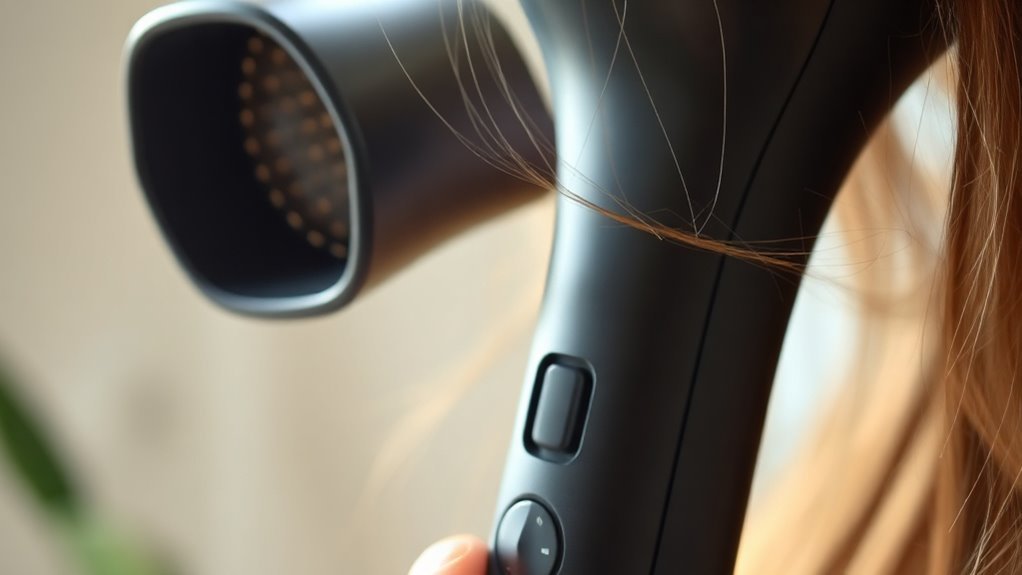
How Hot Does a Hair Dryer Get?
Your hair dryer’s heat usually ranges between 140°F and 200°F, controlled by its heating element and your chosen settings.
Lower settings produce gentler warmth, while higher settings push the heat up for faster drying.
The airflow also affects temperature—faster air cools things down a bit.
Using heat protectants and picking the right temperature for your hair type helps avoid damage.
Keep exploring, and you’ll find tips to protect your hair and pick safer dryers.
Staying informed about how hot your hair dryer gets can make a big difference in your styling routine.
By understanding the heat levels and airflow, you’ll be better equipped to keep your hair healthy while achieving that perfect look.
So, let’s dive into how to choose the right settings and protect your strands from unnecessary heat damage!
Key Takeaways
- Hair dryers typically reach air temperatures between 140°F and 200°F depending on the heat setting and heating element type.
- Nichrome wire heating elements determine the maximum temperature by adjusting electrical power on low, medium, or high settings.
- Ceramic elements emit infrared heat, providing gentler, more even warmth compared to traditional metal coils.
- Airflow speed affects temperature; faster airflow cools coils, lowering air temperature, while slower airflow allows hotter air output.
- Manufacturer safety features like thermal cutoffs prevent the dryer from exceeding safe temperature limits to avoid overheating.
How Hot Do Hair Dryers Actually Get?
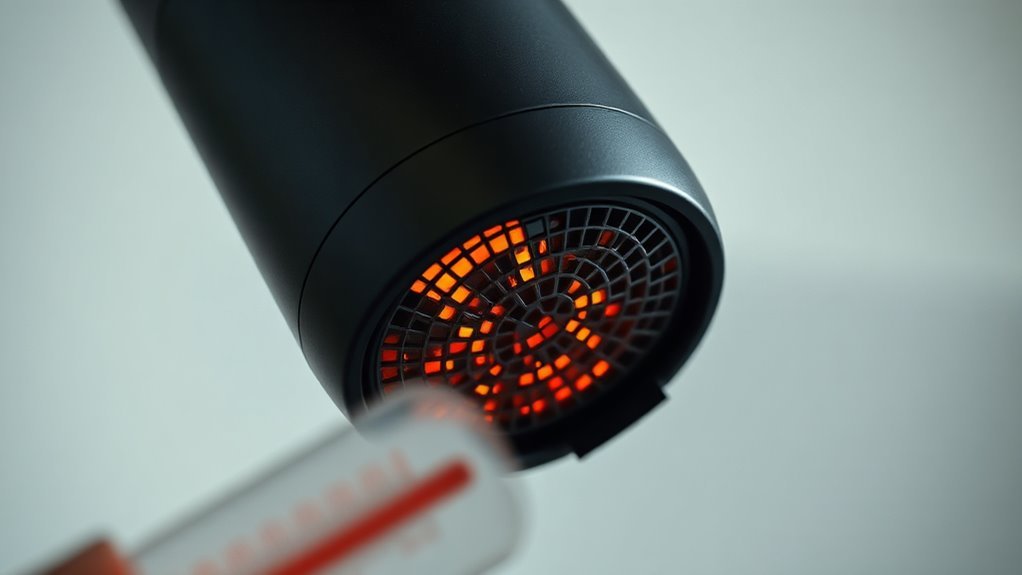
Although hair dryers vary by brand and model, they generally reach temperatures between 140°F and 200°F. When you turn on your hair dryer, its heating element heats up, and the fan blows air across it, pushing warm air out. Most dryers offer multiple heat settings, so you can adjust the temperature depending on your hair type or styling needs. For example, lower settings hover around 140°F, which is gentler on your hair, while higher settings can reach 200°F or more for faster drying. Keep in mind that the temperature you feel might be slightly cooler than the actual heating element’s heat due to the airflow. Understanding these temperatures helps you pick the right setting to dry your hair efficiently without unnecessary heat exposure.
What Are the Signs Your Hair Dryer’s Heat Is Damaging Your Hair?

If your hair starts feeling rough or looks frizzy, the heat from your dryer might be causing texture changes.
You may also notice split ends popping up more often.
These signs mean it’s time to rethink how you dry your hair.
Hair Texture Changes
You might notice your hair feeling rougher or looking frizzier after using your hair dryer. This change happens because excessive heat strips moisture from your hair shaft, leaving it dry and brittle. When your hair loses its natural oils, the cuticles lift, causing that unwanted frizz and rough texture. You may also find your hair harder to style or less shiny than usual. Over time, repeated exposure to high heat can alter your hair’s natural pattern, making curls less defined or straight hair more unruly. If you spot these texture changes, it’s a sign your hair dryer’s heat is too intense. To protect your hair, try lowering the dryer’s temperature and always use a heat protectant spray before styling.
Split Ends Formation
Spotting split ends early can save your hair from further damage caused by excessive heat from your hair dryer. When your dryer’s temperature is too high, it weakens hair strandss making them prone to splitting at the tips. To recognize if your heat styling is harming your hair, watch for these signs:
- Frayed or uneven ends that look like tiny forks
- Increased hair breakage when you brush or style
- Dry, brittle strands that feel rough to the touch
- Hair that tangles easily and lacks smoothness
If you notice any of these symptoms, lower your dryer’s heat setting and give your hair extra moisture. Protecting your ends helps keep your hair strong and healthy despite regular drying.
How Do Different Hair Types Respond to Hair Dryer Heat?

Because hair structure varies widely, different hair types react uniquely to the heat from a hair dryer. You might notice that fine hair heats up quickly and can get damaged easily, while thick or coarse hair may handle higher temperatures better but still risks dryness. Curly hair tends to be more fragile due to its shape, making it more vulnerable to heat damage.
| Hair Type | Heat Sensitivity | Common Reaction to Heat |
|---|---|---|
| Fine | High | Quick damage, dryness |
| Thick/Coarse | Moderate | Handles heat but can dry out |
| Curly | High | Increased breakage, frizz |
Understanding your hair type helps you choose the right drying approach and temperature.
How Can You Protect Your Hair From Heat Damage?
You can protect your hair from heat damage by using a heat protectant spray before styling.
This creates a barrier and helps minimize damage.
Choose lower temperature settings on your hair dryer to reduce stress on your strands.
It’s all about being gentle with your hair!
Also, try to limit the amount of time your hair is exposed to heat for the best results.
Shorter exposure means less damage in the long run.
Use Heat Protectant Spray
Shield your hair from heat damage by applying a heat protectant spray before using a hair dryer. This simple step forms a barrier that reduces moisture loss and prevents hair from becoming brittle. To get the best results, follow these tips:
- Spray evenly on damp hair, focusing on mid-lengths and ends.
- Comb through to distribute the product thoroughly.
- Allow the spray to dry slightly before you start blow-drying.
- Reapply if you’re using additional heat tools like straighteners or curling irons.
Using a heat protectant spray minimizes damage caused by high temperatures, keeping your hair smooth and healthy. It’s an essential part of your routine if you want to maintain shine and prevent split ends while styling with a hair dryer.
Opt For Lower Temperatures
Although high heat can speed up styling, opting for lower temperatures helps protect your hair from damage and dryness. When you set your hair dryer to a moderate or low heat setting, you reduce the risk of stripping your hair’s natural oils and causing split ends. Lower temperatures still dry your hair effectively, especially if you use the hair dryer properly and combine it with a heat protectant spray. You’ll notice your hair remains shinier and feels softer. Additionally, lower heat settings help maintain your hair’s moisture balance, preventing brittleness. Remember, you don’t need to blast your hair with the highest heat to get great results. Choosing a gentler temperature keeps your hair healthier in the long run and supports better styling without causing unnecessary harm.
Limit Heat Exposure Time
Since prolonged heat exposure can severely damage hair, limiting the time you use a hair dryer is essential to protect your strands. You want to dry your hair efficiently without overdoing it. Here’s how to keep heat exposure minimal:
- Use the hair dryer on the lowest effective heat setting.
- Keep the dryer moving continuously to avoid concentrating heat in one spot.
- Let your hair air dry partially before using the dryer to cut down drying time.
- Focus on drying the roots first, then quickly finish with the ends.
What Controls How Hot Your Hair Dryer Gets?
Understanding what controls how hot your hair dryer gets is key to using it safely and effectively. The main factor is the heating element inside, usually made of nichrome wire, which heats up when electricity passes through it. The temperature depends on the power supplied and the design of this element. Another important control is the fan speed, which pushes air over the heating coils. Faster airflow cools the coils more, resulting in lower temperatures, while slower airflow allows the coils to get hotter. Your hair dryer’s settings let you adjust these variables—higher heat settings increase the element’s temperature, and different fan speeds change airflow. Together, these controls regulate how hot the air feels, so understanding them helps you avoid damage to your hair and scalp.
How to Choose a Hair Dryer With Safe Temperature Settings
Knowing how your hair dryer controls heat helps you pick one that prevents damage. When choosing a dryer, focus on models with adjustable temperature settings to protect your hair from excessive heat. Look for digital controls or multiple heat levels so you can customize the temperature based on your hair type. Also, consider features that monitor temperature to avoid overheating. Here’s what to keep in mind:
Choose a hair dryer with adjustable heat settings and temperature monitoring to protect your hair from damage.
- Adjustable heat settings allow you to select a safe, comfortable temperature
- Cool shot buttons help lock in style without extra heat
- Automatic shut-off prevents overheating and potential fire hazards
- Ceramic or tourmaline technology distributes heat evenly, reducing hot spots
Frequently Asked Questions
How Long Does It Take for a Hair Dryer to Heat Up?
It usually takes your hair dryer about 30 seconds to a minute to heat up fully.
You’ll notice the airflow getting warmer quickly,
so you can start drying your hair efficiently without waiting too long.
Can Hair Dryers Be Used Safely on Wet Hair?
You absolutely can’t fry your hair by using a hair dryer on wet hair!
Just don’t hold it too close or for too long.
Keep it moving, and you’ll safely dry without turning your strands into crispy noodles.
Are Ionic Hair Dryers Less Damaging to Hair?
Yes, ionic hair dryers are less damaging because they reduce frizz and dry your hair faster by breaking down water molecules.
You’ll experience less heat exposure, which helps maintain your hair’s moisture and overall health.
This means your hair can stay softer and shinier for longer!
How Energy-Efficient Are Modern Hair Dryers?
You’ll find modern hair dryers sip electricity gently, dancing with efficiency.
They dry your hair quickly without guzzling power, helping you save energy while styling.
What Maintenance Is Needed to Keep a Hair Dryer Working Well?
You should regularly clean the air intake to prevent lint buildup.
Check the cord for damage, and avoid dropping it.
Also, don’t block the airflow during use, and store it in a dry place to keep it working well.
Conclusion
Think of your hair as a delicate flower and your hair dryer as the sun.
Just as too much sun can wither petals, excessive heat can damage your strands.
But with the right care—like choosing the right dryer and using heat protectants—you can bask in warmth without harm.
By understanding and controlling the heat, you’ll help your hair bloom beautifully.
You want it to thrive in the gentle glow rather than burn under a harsh blaze.
In conclusion, knowing how hot a hair dryer gets is essential for maintaining healthy hair.
Opt for dryers with adjustable heat settings and always use a heat protectant.
This way, you can enjoy styling while keeping your hair vibrant and strong.
With a little care, you can achieve gorgeous results without the risk of damage!